Hydrocephalus and Shunt Surgery
Treatment of cerebrospinal fluid circulation disorders
With 12 years of experience in hydrocephalus treatment, offering VP shunt, VA shunt, and ETV surgery. Providing effective solutions for children and adults through minimally invasive approach with 6mm incision.
Treatment Features
Overview
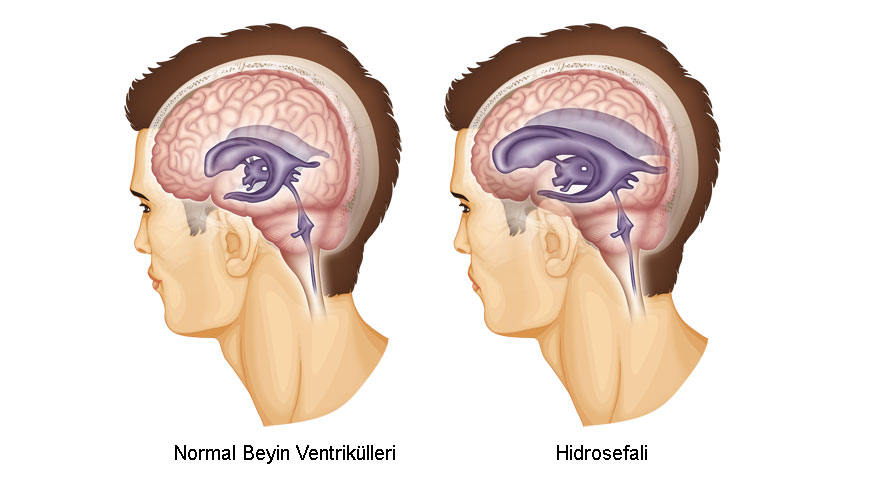
Hydrocephalus is the accumulation of cerebrospinal fluid (CSF) in the brain ventricles due to impaired circulation and absorption. With 12 years of experience, treated using shunt systems and endoscopic methods.
What is Hydrocephalus?
Hydrocephalus occurs due to impaired normal circulation of cerebrospinal fluid. It can be congenital or acquired, caused by infection, hemorrhage, tumor, or congenital anomalies. Children show head enlargement, while adults experience gait disturbances.
Signs and Symptoms
Our Treatment Methods
With 12 years of experience in hydrocephalus treatment, we utilize shunt systems and endoscopic methods.
Comprehensive Assessment
Determining hydrocephalus type and cause through neuroimaging
Treatment Selection
Decision between VP shunt, VA shunt, or ETV
Surgical Implantation
Shunt system placement through 6mm incision
Pressure Adjustment
Optimal pressure valve programming
Follow-up and Monitoring
Regular shunt function assessment
Advantages of Modern Hydrocephalus Surgery
Multiple Treatment Options
VP shunt, VA shunt, and ETV alternatives
Programmable Valves
External pressure adjustment capability
Minimally Invasive ETV
Endoscopic treatment through 6mm incision
Long-term Efficacy
Durability of modern shunt systems
Anti-siphon Systems
Technology to prevent over-drainage
Expert Experience
12 years of hydrocephalus surgery expertise
Recovery and Follow-up
Close monitoring and shunt function assessment are important after hydrocephalus surgery.
First 24-48 Hours
Week 1
Month 1
Months 3-6
Treatment Approaches
Frequently Asked Questions
Modern shunt systems function for extended periods, but revision may sometimes be necessary. In our 12 years of experience, problems are detected early through regular monitoring.
ETV (Endoscopic Third Ventriculostomy) creates a natural pathway, while a shunt is an artificial drainage system. Suitability is evaluated for each patient.
With 12 years of experience and modern techniques, risks are minimized. Success rates are especially high in pediatric patients.
Headaches, nausea, and behavioral changes may indicate shunt malfunction. Emergency consultation is recommended.
Would You Like to Learn More About Hydrocephalus and Shunt Surgery?
Let's conduct a detailed examination and evaluation to create the most suitable treatment plan for you. We are here for you with our experienced team.