Deep Brain Stimulation (DBS)
Advanced technology for movement disorders
DBS treatment for Parkinson's disease, dystonia, and essential tremor with 12 years of experience. Restoring quality of life through minimally invasive stereotactic surgery with 6mm incision.
Treatment Features
Overview
Deep Brain Stimulation (DBS) treats movement disorders by delivering electrical stimulation through electrodes implanted in specific brain regions. With 12 years of experience, applied for Parkinson's disease, essential tremor, and dystonia treatment.
What is Deep Brain Stimulation?
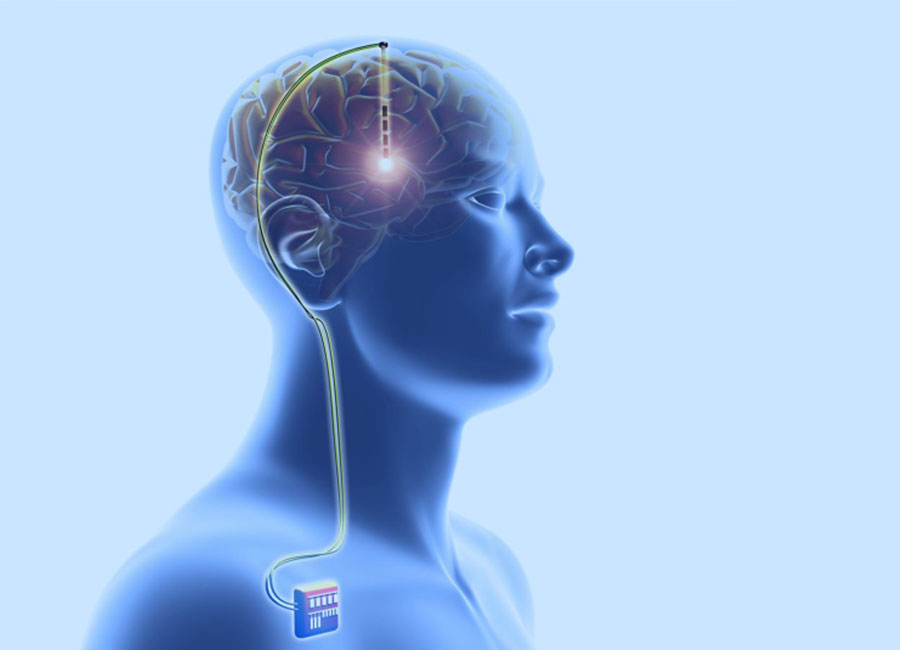
DBS delivers high-frequency electrical stimulation through electrodes placed in specific brain nuclei responsible for movement control (STN, GPi, VIM). This 'brain pacemaker' system normalizes abnormal neural activity to control movement disorders.
Signs and Symptoms
DBS Implantation Process
DBS surgery is a precise procedure performed with the patient awake using stereotactic methods, backed by 12 years of experience.
Preoperative Assessment
Comprehensive neurological evaluation and patient selection
Stereotactic Planning
Target point determination using MRI and CT imaging
Electrode Implantation
Microelectrode placement through 6mm incision
Intraoperative Testing
Real-time efficacy and safety testing during surgery
Pulse Generator Implantation
Stimulator placement in chest area
Advantages of DBS Treatment
Reversible
Non-destructive, adjustable treatment option
Medication Reduction
Minimization of medication side effects
Stereotactic Precision
Millimeter-accurate electrode placement
Long-term Efficacy
Sustained symptom control for years
Customizable
Adjustable to individual patient needs
Expert Approach
12 years of functional neurosurgery experience
Recovery and Programming Process
Recovery and optimal adjustment process following DBS implantation.
First Week
Weeks 2-4
Months 2-3
Months 6-12
Who is a Candidate?
Suitable Patients
Not Suitable Cases
Frequently Asked Questions
With local anesthesia, pain is minimal. In our 12 years of experience, patients remain comfortable throughout the procedure.
Modern rechargeable batteries last 15-20 years, while traditional batteries last 3-5 years. Battery replacement is a simple procedure.
MRI-compatible systems are used. MRI scans are possible under specific conditions with appropriate safety protocols.
With DBS, medication doses can typically be reduced by 50-70%. Complete cessation is rarely possible but not usually the goal.
Would You Like to Learn More About Deep Brain Stimulation (DBS)?
Let's conduct a detailed examination and evaluation to create the most suitable treatment plan for you. We are here for you with our experienced team.